
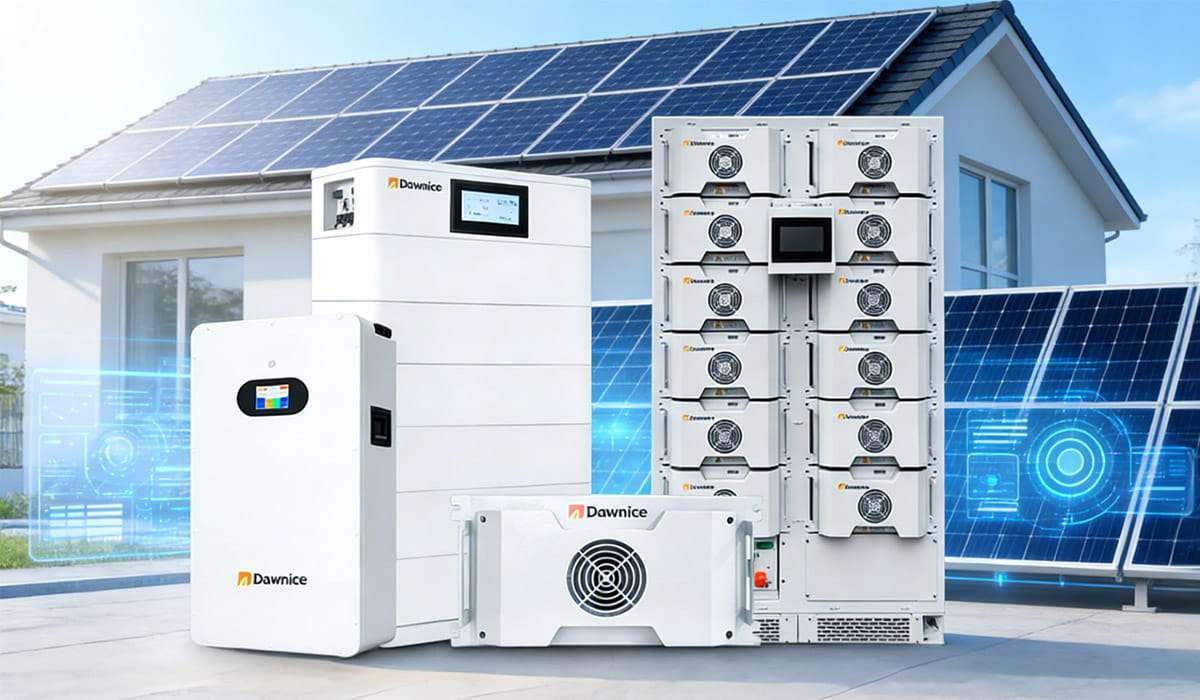
Households are questioning financial returns from home battery storage as regulations change. Grid operators report rising numbers of applications for home connections with export capacity.
Average investment reaches €6,000 for 10-kilowatt-hour capacity. Consumer battery market is expanding as solar panel net metering benefits gradually disappear. Families store generated solar electricity, reducing network charges during peak periods.
What Is Home Battery Payback Period in 2026?
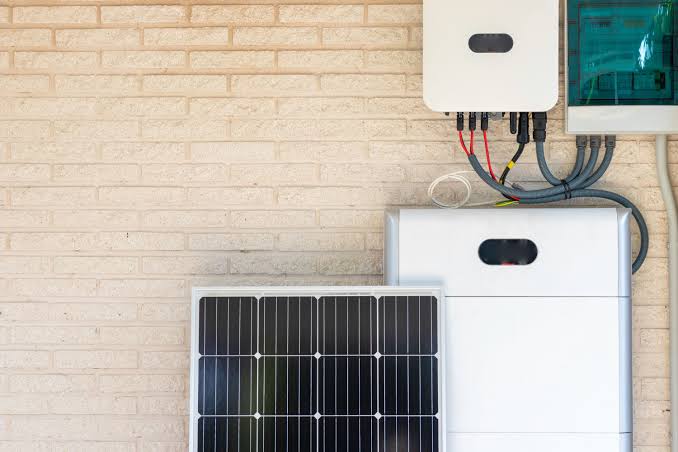
Price fluctuations across imbalance market affect actual monthly savings. Purchase includes battery cells, inverter. Installation requires certified technician.
Connection with dynamic energy tariff. Daily charging, discharging cycles. High-consumption household benefits from storage sooner than smaller household.
| System Capacity | Average Cost | Payback Period |
|---|---|---|
| 5 kWh | € 3,800 | 11 years |
| 10 kWh | € 6,200 | 8 years |
| 15 kWh | € 8,900 | 10 years |
Trading programmes control charging when electricity prices turn negative. Grid operators charge additional fees for transport capacity when large amounts of electricity are exported. Lithium iron phosphate cells typically last around 15,000 charging cycles.
Capacity gradually declines after eighth year of use. Regional incentive schemes sometimes offer modest contributions towards installation costs.








Reacties 0
Nog geen reacties. Begin het gesprek.