
Medical specialists have released phase 2 trial figures for retatrutide, an experimental weight-loss treatment. Hospitals recorded weight reductions reaching 24 per cent among participants after 48 weeks. Scientific data support these figures, following announcements from pharmaceutical company Eli Lilly and Co.
Measurements took place in United States during clinical testing, which continued until June 2023. Clinical effectiveness has attracted worldwide attention from doctors. Patients are exploring alternatives to existing injections because of reported results.
Retatrutide Experiences: Weight-Loss Results, Side Effects, Clinical Trials

| Retatrutide Dose | Average Weight Loss | Study Duration |
|---|---|---|
| Four milligrams | Nineteen per cent | Forty-eight weeks |
| Eight milligrams | Twelve kilograms | Twenty-four weeks |
| Twelve milligrams | Twenty-four per cent | Forty-eight weeks |
Doctors have recorded increased heart rates among some participants during resting periods. Patients sometimes withdraw from trials because of physical discomfort during daily activities. Side-effect frequency decreases once dosage remains stable over longer periods.
Weight regain can occur when patients stop using similar medicines. Readers seeking further details can explore wider market for medical weight-loss treatments. This medicine differs fundamentally from earlier injections.
Patients experience substantial appetite reduction after weekly injections. Powerful effect occurs because formula targets three specific receptors simultaneously. Patients report feeling effects of injections directly.
Hospitals are publishing results. Follow-up measurements will provide further insight into long-term effects. Hospital management teams are waiting for final approval before wider use.
Medical faculties are carefully reviewing submitted research files. Scientists are expected to publish their findings soon. Treating doctors recommend caution when considering new applications.
Large numbers of patients are joining waiting lists at participating clinics. Trials recorded higher average weight reductions than previous generations of treatments. Results were published in medical journal The New England Journal of Medicine.
Weight-loss medicine market is seeking more powerful options because existing treatments often reach a plateau after initial months. Doctors prescribe weekly injections to patients meeting strict Body Mass Index criteria. Participants experience feeling full more quickly during meals.
Liver scans also showed signs of reduced fat levels during ultrasound examinations. Frequency of physical discomfort decreases once body becomes accustomed to weekly injections. Patients with serious cardiovascular diseases were excluded from current research groups.
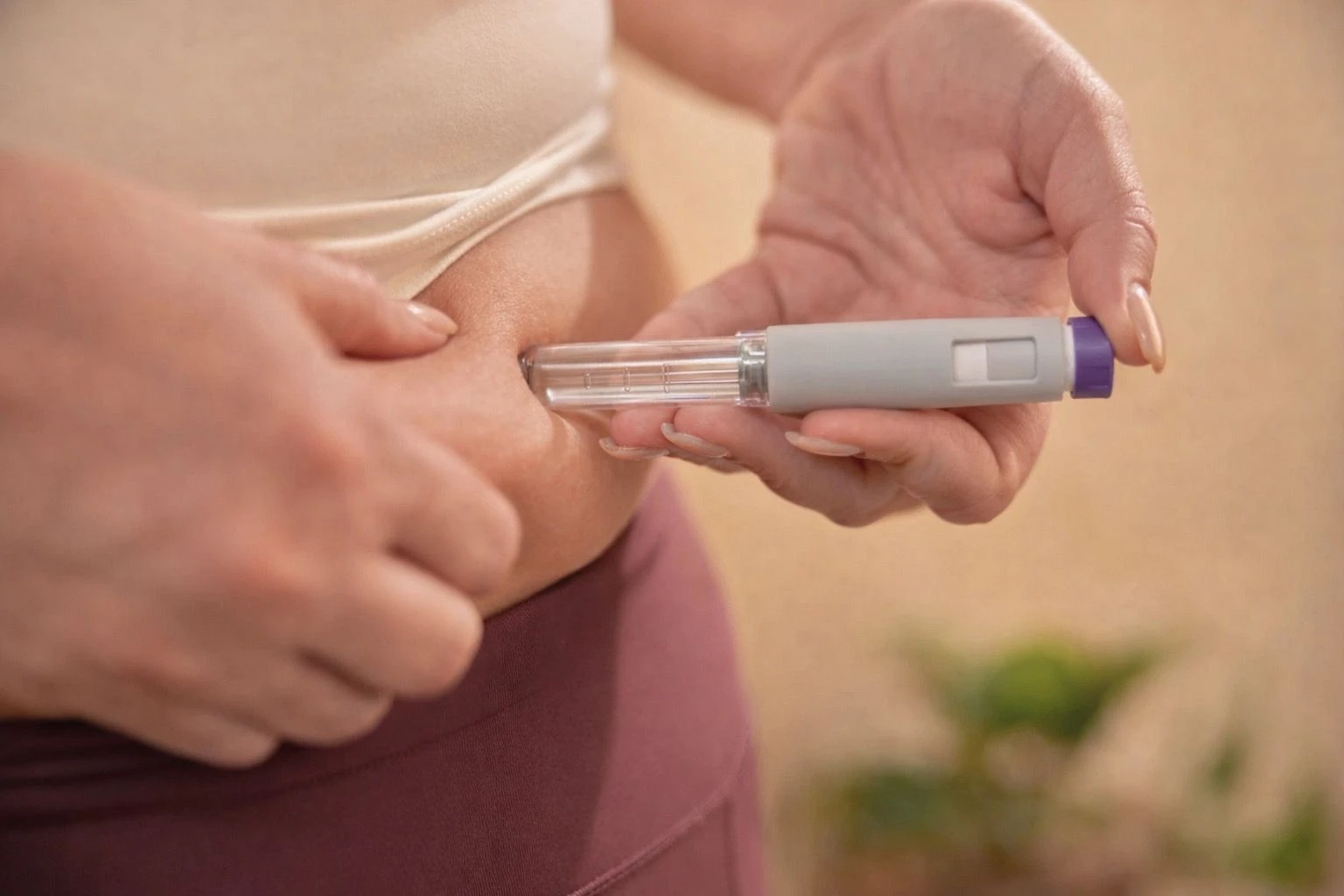
Treatment involves an injection under skin, administered into abdomen or upper thigh. Patients require discipline because medicine must be used long term to maintain weight loss.
- One-milligram group showed minimal effects on total body weight.
- Four-milligram group recorded steady weight reduction after twelve weeks.
- Twelve-milligram group achieved highest fat-loss percentages.
Data collected so far cannot establish whether complications may develop after five years of use. Insurers are reviewing reimbursement arrangements because of expected annual costs per patient. Regulatory authorities are assessing safety profiles before approval for European market.








Reacties 0
Nog geen reacties. Begin het gesprek.